

Good fat dissolving aftercare starts before the needle goes in. For licensed practitioners, the job is to set honest expectations about swelling, give clear written instructions on what to do and avoid in the first week, and make sure every patient knows exactly when to call you. This guide sets out what the UK guidance describes as normal, what to put in your aftercare sheet, and which symptoms need same-day action. It is written for qualified aesthetic professionals and prescribers, not for patients seeking self-treatment advice.
TL;DR
- Swelling, redness, tenderness and bruising are expected after treatment. Most settle over a few days, although swelling can last up to two weeks.
- Give patients written aftercare: fluids, gentle cold compresses if advised, no heat, no strenuous exercise and no flying for a defined period.
- Teach patients the red flags: hot, shiny, spreading redness, pus, fever or feeling unwell mean contacting you at once, or NHS 111 or A&E if you cannot be reached.
- Cover swelling, nodules, numbness and timelines at consultation, so the aftercare conversation is not the first time a patient hears about them.
- Document the advice you gave and how the patient can reach you after hours.
Table of Contents
- Why aftercare deserves its own conversation
- What patients should expect: the swelling stage and timeline
- The aftercare instructions to put in writing
- Red flags: when aftercare becomes a medical problem
- A note on unauthorised products
- Build aftercare into the consultation
- Our perspective
- Supplying your fat dissolving protocol
- FAQ
- Sources
Why aftercare deserves its own conversation
Fat dissolving works by causing a controlled inflammatory response in the treated tissue. That is why patients leave clinic looking and feeling worse before they look better. A UK treatment page explains that significant swelling, redness, tenderness and potential bruising are expected and normal after treatment, reflecting the inflammation involved in breaking down fat.
The practical risk is not the swelling itself. It is the patient who was not warned, sees a swollen submental area on day two and either panics or, worse, ignores the early signs of a real complication. Clear aftercare protects the patient and protects your practice.
The regulatory background matters too. A government-commissioned review found that non-surgical cosmetic interventions were almost entirely unregulated, with no qualifications required to carry them out. That review dates from 2013, and UK injectables licensing is still evolving, which is covered in our piece on what evidence practitioners need while licensing is pending. Until then, thorough documentation of your aftercare is part of showing that you practise to a high standard.
What patients should expect: the swelling stage and timeline
The British College of Aesthetic Medicine states that redness, swelling, pain and bruising around the injection site are common and usually resolve after a few days. UK practitioner aftercare material goes further: symptoms generally improve over the next few days, though swelling can last up to two weeks.
Other UK aftercare information lists slight redness, swelling, bruising, tenderness, itching, small lumps and reduced sensation as temporary effects. It notes that tenderness can last several weeks, and numbness may persist for weeks or months before resolving. Patients rarely expect that last point, so say it at consultation.
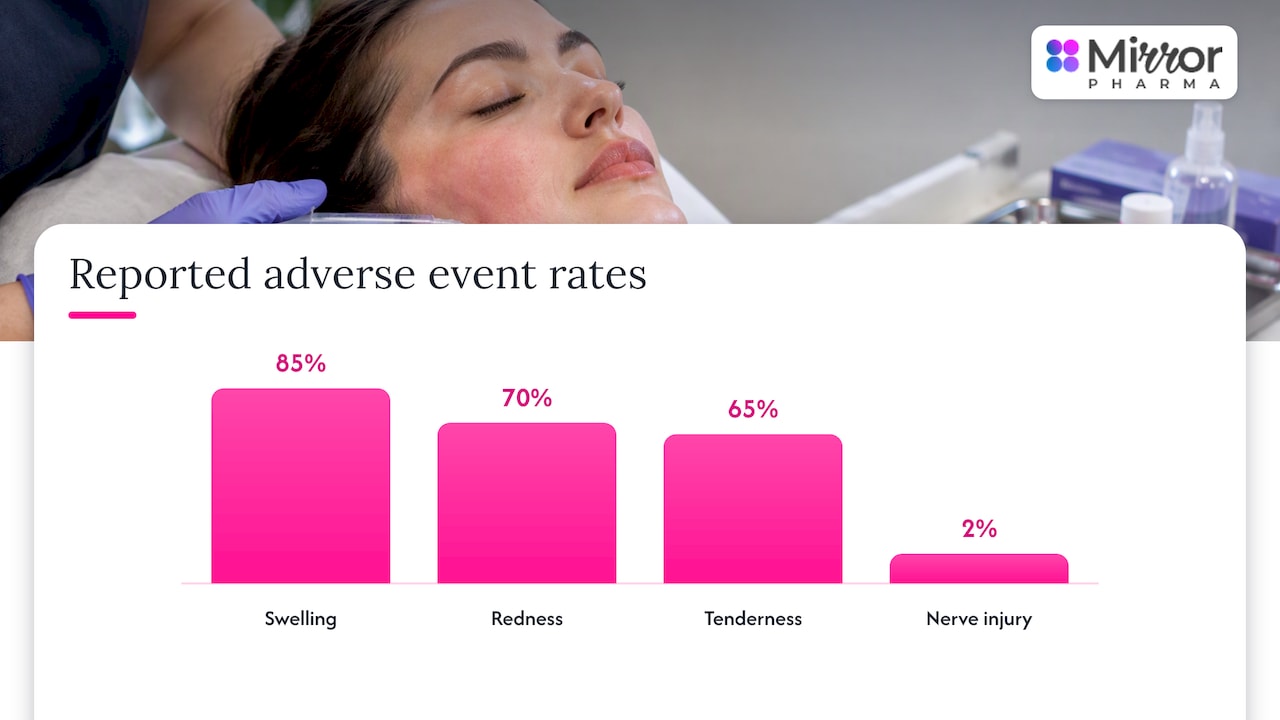
A 2024 abstract from a systematic review of 28 studies and 1,472 participants reported swelling in 85%, redness in 70% and tenderness in 65% of participants, with rarer severe events including nerve injury in 2%. Those figures are worth having in mind when you tell a patient that swelling is common rather than exceptional.
A realistic recovery outline
Individual recovery varies with the area treated, the volume and the patient. Use the outline below as a framework for your own written guidance, and adjust it to your protocol and the product’s instructions for use.
| Stage | What patients commonly notice | What to tell them |
|---|---|---|
| First 24 to 72 hours | Swelling building, warmth, redness, tenderness | This is the expected inflammatory response. Follow the cold compress and rest advice you give. |
| Days 3 to 7 | Swelling often at its most obvious, bruising may colour and move | Keep avoiding heat and strenuous activity. Contact you if swelling is worsening rather than settling. |
| Weeks 1 to 2 | Swelling gradually reducing, lumps or tenderness possible | Swelling can last up to two weeks. Do not judge the outcome yet. |
| Weeks 2 to 6 and beyond | Tenderness or altered sensation may linger in some patients | Persistent numbness is reported. Offer a review if they are concerned. |
On visible change, BCAM says patients usually see a reduction in fat after the first few weeks. Avoid any language that implies a guaranteed or fixed result: outcomes differ between individuals, and some patients need more than one session.
The aftercare instructions to put in writing
Patients forget verbal advice, especially when they are looking in a mirror at a swollen area. Give a printed or emailed sheet and walk through it before they leave. The points below draw on UK practitioner aftercare documents and are a starting point for your own protocol.
Hydration, alcohol and caffeine
A UK aftercare document advises drinking at least 2 litres of fluid daily and reducing alcohol and caffeine while the treated area settles, as set out in the practitioner aftercare leaflet. Where a patient has a medical reason to limit fluids, individualise the advice.
Cold compresses
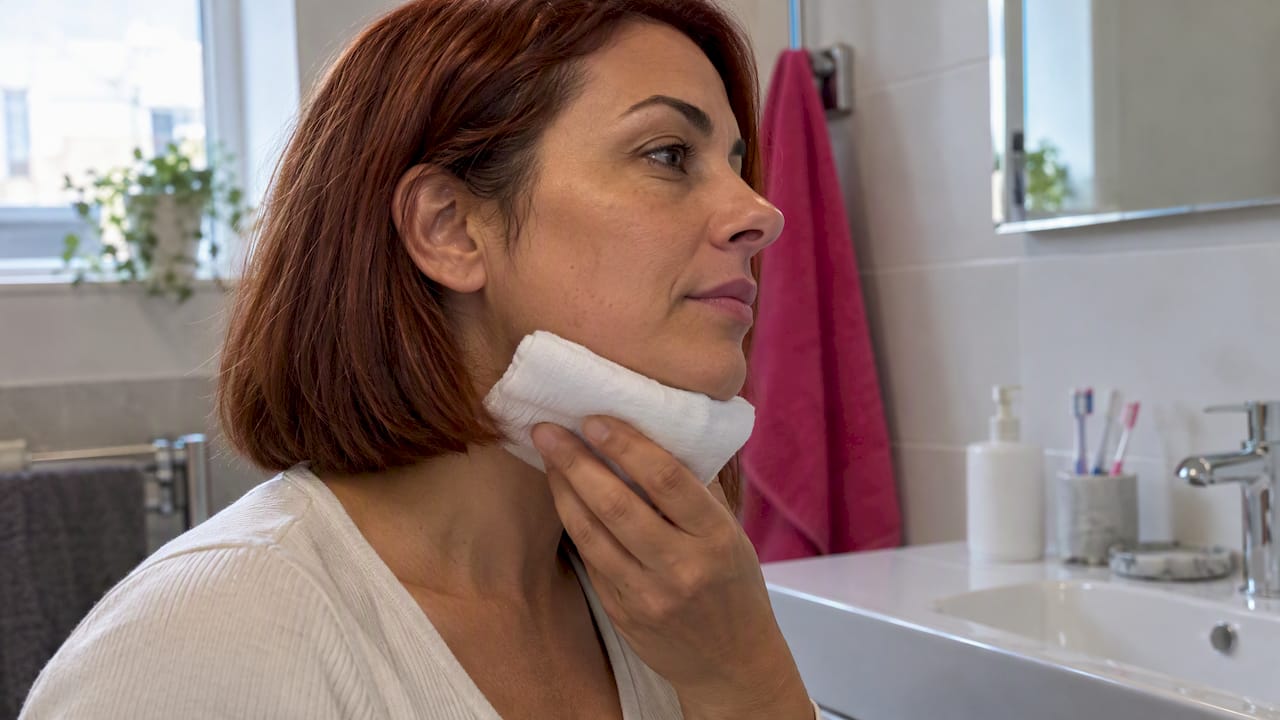
The same document says a cold compress can be used if needed. Practices differ on timing and duration, and some ask patients to use cold packs only in the first day or so. Whatever you choose, tell patients to wrap the pack, never apply ice directly to skin, and keep the contact short. Numb tissue is easier to damage with cold.
Heat, sun and exercise
The UK document advises avoiding sunbeds, swimming, UV light and saunas until redness and swelling settle, and avoiding temperature extremes for the first week. An Australian clinic resource suggests avoiding strenuous activity for about five to seven days and pools, saunas and hot spas in the first week to reduce infection risk. Practice varies: some UK clinics ask only for 24 hours without strenuous exercise, while others ask for several days. Decide your own rule, state it plainly and keep it consistent across patients.
Sleeping position
For treatment on or above the neck, a UK clinic advises sleeping on the back with the head slightly elevated until the swelling has subsided. It is a simple instruction that reduces overnight puffiness for submental patients, and it is worth giving every one of them.
Flying
The same clinic advises avoiding flying for at least two weeks, because cabin pressure changes may increase swelling and bruising. This is clinic-level guidance rather than a regulatory rule, so ask at consultation whether the patient has travel booked and plan the date of treatment around it.
Touching, massage and skincare
Some protocols advise against massaging or pressing the area, others recommend gentle massage after the initial settling period. Follow your product’s instructions for use, state which applies, and tell patients to keep the skin clean and avoid make-up on the treated area for the period you specify.
Red flags: when aftercare becomes a medical problem
This is the section patients must be able to recall. BCAM tells patients to contact the treating practitioner immediately if they are worried about infection, nerve damage, allergic reactions or uneven results.
A UK aftercare document describes signs of infection as hot, red, shiny skin, pus, fever or feeling generally unwell, and tells patients to seek medical attention and contact the treating practitioner. A UK clinic’s aftercare page adds spreading redness, worsening swelling, discharge and a nearby cold sore to the list, and says that if the practitioner cannot be reached, the patient should contact NHS 111 or attend an emergency department.
University College London Hospitals gives similar guidance for cosmetic procedures generally: a very red or swollen area, or fever, suggests serious infection, and if a GP cannot be seen within 24 hours the patient should attend A&E.
What your sheet should say about escalation
- Name the specific symptoms that need a same-day call: spreading redness, heat, pus, fever, feeling unwell, worsening pain or swelling after the first few days.
- Give a number that is actually answered, and say what hours it covers.
- State the fallback plainly: NHS 111 or A&E if they cannot reach you and are worried.
- Ask patients to tell any doctor or nurse who sees them exactly what was injected and when.
For your own clinical decision-making, review the skin signs that suggest vascular compromise or necrosis, and the nodule pathway you will follow, before you treat. Our guidance on deoxycholic acid injections for practitioners covers the timeline and safety rules, and our article on dermal filler complications is a useful companion for building a wider complication-recognition routine in your clinic.
A note on unauthorised products
Patients sometimes ask about “fat dissolving” products they have seen online, and some arrive having had treatment elsewhere. The Joint Council for Cosmetic Practitioners reports that the MHRA advised that phosphatidylcholine is not authorised for use in the UK and must not be used for cosmetic purposes. If a patient presents with a reaction after a phosphatidylcholine-based product, treat the aftercare advice in this guide as a baseline only, assess them clinically and consider whether reporting is appropriate.
This is also a sourcing question for your clinic. Know what you are injecting, who supplied it and whether the supplier verifies prescriber status. Our four-check guide for UK clinicians choosing an injectables supplier sets out what to ask.
Build aftercare into the consultation
The best aftercare begins at the consultation. The local-authority guidance for the public advises having a pre-consultation and not accepting treatment on the consultation day, so patients have time to decide. A cooling-off gap also gives you a natural moment to send the aftercare sheet in advance.
At consultation, cover:
- How much swelling and bruising is expected, and for how long.
- The possibility of nodules and how you would manage them.
- Realistic timelines: results develop over weeks, and some patients need further sessions.
- Altered sensation, which can last for weeks or months in some patients.
- Travel, events and sport planned in the following two weeks.
- How to reach you after treatment, and what to do if they cannot.
Patients who understand that swelling is part of the process are far less likely to read it as a failure. Pain management during the procedure also shapes the whole experience, and our injection pain management protocol is worth reviewing alongside your aftercare sheet.
What to record
- Product, batch number, volume and treated areas.
- The aftercare advice given, and whether it was verbal, written or both.
- Any medicines, allergies or health conditions that affect the advice.
- The contact route you gave, and the date of any planned review.
- Photographs, taken with consent, for clinical monitoring rather than for promising an outcome.
Our perspective
We supply prescription aesthetic medicines and consumables to verified prescribers and clinics, and we hear the same thing from practitioners again and again: the complaints that hurt a clinic most are rarely about the injection itself. They are about a patient who felt unprepared. A well-briefed patient with a printed sheet and a reachable clinician tends to take swelling in their stride.
Our view is that aftercare is part of the product. Standardise it across your team, review it when guidance changes, and make sure everyone who answers the phone knows the red flags. Clinics that treat aftercare as a protocol rather than an afterthought also find it far easier to show, if ever asked, how they look after patients.
We also think the supply chain belongs in the conversation. Knowing exactly what you are injecting, and buying it from a supplier that checks who it is selling to, is the first step of safe aftercare.
— Rizwan
Supplying your fat dissolving protocol
If you are a licensed practitioner or prescriber building or restocking a non-surgical fat reduction offer, our fat dissolving range is available to verified professionals through our online pharmacy, alongside the needles and consumables you need to deliver treatment. You can also browse the wider lipolysis collection. Prescriber verification is required before ordering, and products are for use by trained practitioners only.
FAQ
How long does swelling last after fat dissolving injections?
UK practitioner guidance says symptoms generally improve over a few days, but swelling can last up to two weeks. Tenderness may continue for several weeks in some patients. Tell patients at consultation so a swollen area on day five is not a surprise.
What are the negatives of fat dissolving treatment?
BCAM lists pain, stinging, redness, swelling, bruising, infection, nerve damage, allergic reactions and uneven results among the risks. Most effects are temporary, but patients should be told about the rarer ones too. Treatment by an experienced medical professional is advised to reduce those risks.
When should a patient seek urgent help?
Hot, red, shiny or spreading redness, pus, fever or feeling generally unwell need prompt attention. Patients should contact the treating practitioner straight away, and if they cannot reach them and are worried, use NHS 111 or attend A&E. Make sure your aftercare sheet says this in plain words.
Can fat come back after treatment?
Treatment acts on fat cells in the treated area, but remaining fat cells elsewhere can still change in size with weight gain. For that reason, practitioners should avoid describing results as fixed or guaranteed. Encourage patients to maintain a stable weight and discuss expectations honestly.
How soon will patients see a difference?
BCAM says patients usually see a reduction in fat after the first few weeks, once the initial swelling has settled. Results vary between individuals and some need more than one session. Plan a review rather than promising a timeline.
Sources
- British College of Aesthetic Medicine: Fat Dissolving
- UK practitioner aftercare leaflet for deoxycholic acid fat dissolving (2022)
- Fat dissolving injections in London: expected effects
- Fat dissolving aftercare information sheet (UK)
- BAAPS abstract: adverse events of slimming injections
- Derm Aesthetics: fat dissolving injections aftercare
- Fat dissolving injections: what to expect afterwards
- Charis Aesthetics: fat dissolving injections aftercare
- UCLH: tattoos and cosmetic procedures
- JCCP: phosphatidylcholine fat dissolving injections
- Wolverhampton Council: non-surgical aesthetic procedures
- Review of the Regulation of Cosmetic Interventions (2013)