
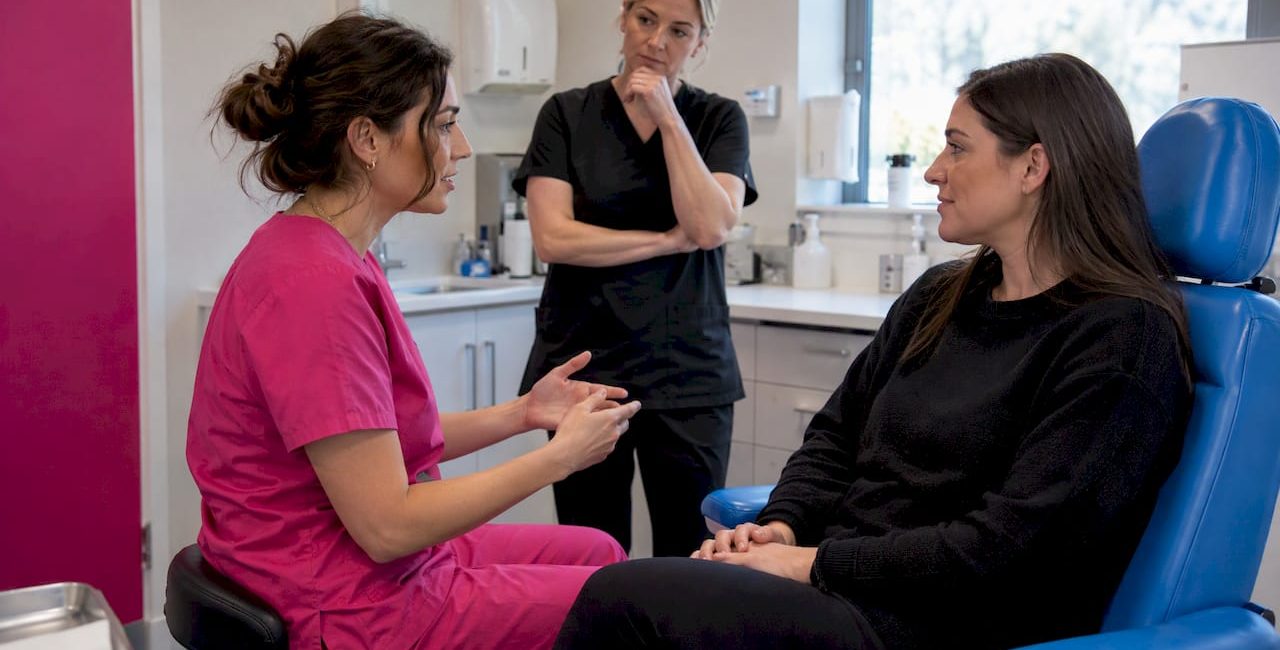
Aesthetic Prescribing Rules in the UK for Licensed Practitioners
Who can prescribe aesthetic prescription-only medicines in the UK, what consultation is required, how PSDs work and where licensing stands. For licensed practitioners.
Who can prescribe aesthetic prescription-only medicines in the UK, what consultation is required, how PSDs work and where licensing stands. For licensed practitioners.
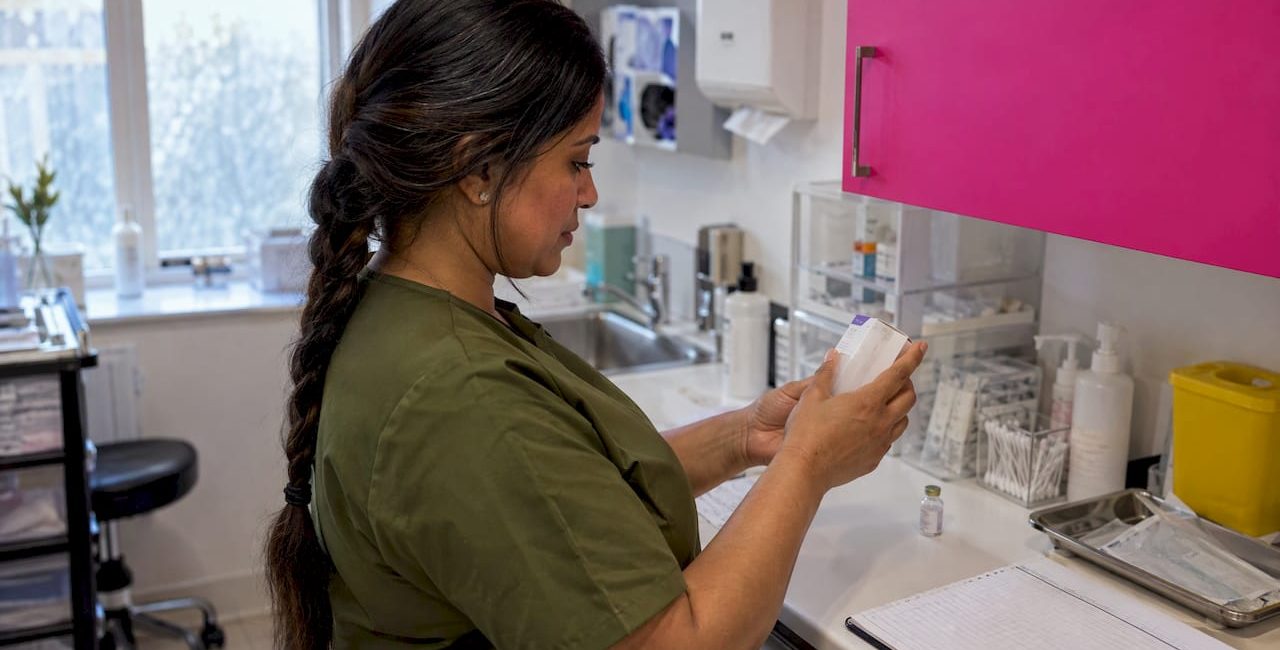
How licensed practitioners can record, find and use batch numbers: what to log, how long to keep records, and what to do when a batch is recalled.

How aesthetic clinics onboard with a supplying pharmacy: documents, prescriber checks, first order and team induction, written for licensed practitioners.

How licensed practitioners and clinics verify a UK prescriber: which register to search, what to record, what to do when details don’t match, and how it differs by nation.

How pharmacy order cut-off times work in the UK, how they differ from opening hours, and how licensed practitioners can plan orders around weekends and bank holidays.

PGD vs PSD explained for licensed UK practitioners: who can issue each, when each is lawful, common errors and what aesthetic clinics should document.

How a clinic supplier account works in the UK: who is eligible, what verification to expect, how to register, and what to check before your first order.

How semaglutide is prescribed in the UK: licensed uses, NICE criteria, NHS and private routes, safety checks and review points, for licensed prescribers.

Deoxycholic acid safety for licensed UK practitioners: serious risks, contraindications, injection technique, off-site use warnings and what to do if complications occur.

How the prescription upload process works with a UK online pharmacy: what to prepare, what gets verified, how it differs from EPS, and how to keep data secure.