

Skin boosters and dermal fillers solve two different clinical problems, and confusing them leads to mismatched patient outcomes. Boosters improve skin quality and hydration by depositing low or non-cross-linked hyaluronic acid into the dermis. Fillers restore or add volume using densely cross-linked hyaluronic acid gels that hold structural shape. The rationale comes down to rheology: low cross-linking integrates and disperses, producing gradual hydration over several weeks, while high cross-linking resists degradation and lifts tissue almost immediately. This guide is written for licensed practitioners and qualified aesthetic professionals making that formulation choice.
Key Takeaways
Skin boosters improve hydration and skin quality through low cross-linked HA, while dermal fillers restore volume and structure through densely cross-linked gels chosen for a specific anatomical plane.
| Point | Details |
|---|---|
| Match product to goal | Choose boosters for texture and hydration, fillers for volume and contour. |
| Rheology drives behaviour | Cross-linking density determines whether a product hydrates or structurally lifts tissue. |
| Sequence combined treatments | Correct volume with filler first, then add boosters around four to six weeks later. |
| Screen thoroughly | Check contraindications and vascular risk before every session, regardless of product type. |
| Source verified products | Mirror Pharma supplies licensed practitioners with HA boosters, dermal fillers, and consumables for compliant, verified ordering. |
Table of Contents
- Skin booster vs filler: comparing the two treatment approaches
- What skin boosters are and how they work
- What dermal fillers are and how they work
- Formulation, technique and outcome differences that actually matter
- How to choose between boosters, fillers, or both
- Procedure time, recovery and aftercare
- Risks, contraindications and safety considerations
- Combining boosters and fillers for a layered result
- Why rheology is the detail practitioners can’t skip
- Sourcing boosters and fillers for your clinic
- Sources
- FAQ
Skin booster vs filler: comparing the two treatment approaches
The decision usually hinges on one question: does the patient need better skin quality or more volume? The table below sets out the core clinical distinctions.
| Dimension | Skin boosters | Dermal fillers |
|---|---|---|
| Primary goal | Hydration, texture, skin quality | Volume restoration, contour, structure |
| Formulation/rheology | Low or no cross-linking, low viscosity | Densely cross-linked, higher viscosity |
| Injection depth | Superficial dermis, micropapule technique | Deep dermis, subcutaneous, or supraperiosteal |
| Longevity | Weeks to months; maintenance courses | Several months to over a year |
| Common areas | Face, neck, décolletage, hands | Cheeks, lips, jawline, tear troughs, chin |
| Downtime | Minimal; transient papules | Mild swelling/bruising; slightly longer settling |
A few clinical cues cut through most consultations quickly:
- Diffuse dullness or crepiness without volume loss points to a booster course, not a filler.
- Deep static folds or hollowing almost always need structural correction first.
- Thin, reactive skin often tolerates lower-viscosity products better regardless of goal.
- A patient wanting “no downtime before an event” needs careful product selection either way, since both can cause transient papules or swelling.
- When both concerns coexist, sequencing matters more than product choice alone.
What skin boosters are and how they work
Skin boosters are typically hyaluronic acid formulations with low or no cross-linking, designed to sit in the dermis and improve hydration rather than add bulk. Non-HA alternatives, including polynucleotides and other regenerative preparations, work through similar dermal remodelling principles but with different mechanisms and safety profiles worth reviewing before use.
Typical indications include:
- Dull, dehydrated skin with reduced elasticity
- Early fine lines without significant volume loss
- Crepey texture on the neck, décolletage, or hands
- General skin quality maintenance between structural treatments
The technique relies on multiple microdeposits placed superficially, often called the micropapule approach, spreading product evenly rather than concentrating it in one point. Results build gradually over several weeks as the HA integrates and draws in moisture, with most regimens involve an initial short course followed by maintenance treatments.
Pro Tip: Match product viscosity to skin thickness before you inject. Thinner periorbital or neck skin tolerates lower-viscosity boosters far better than a product designed for thicker cheek skin, and it reduces visible papules in the first 24 hours.
What dermal fillers are and how they work
Dermal fillers are cross-linked hyaluronic acid gels engineered to resist enzymatic breakdown and hold their shape once placed, giving structural support rather than diffuse hydration. Biostimulators in the poly-L-lactic acid category work differently again, triggering collagen production gradually rather than providing immediate volume.
Common indications:
- Mid-face volume loss and cheek flattening
- Deep nasolabial folds or marionette lines
- Lip enhancement and definition
- Tear trough correction
- Jawline and chin contouring
Procedure-wise, fillers involve fewer, more targeted aliquots placed at a specific depth, whether dermal, subcutaneous, or supraperiosteal, using either needle or cannula depending on the anatomical zone and vascular risk. Reported longevity for HA facial fillers commonly falls between 9 and 18 months, though rheology, injection plane, and individual metabolism all shift that range.
Pro Tip: Cannula use in vascular-dense zones like the tear trough or temple reduces occlusion risk compared with needle injection, particularly for practitioners newer to those areas.
Formulation, technique and outcome differences that actually matter
Cross-linking density is the variable that decides almost everything else. A low cross-linked HA disperses through tissue and behaves like a hydration reservoir; a highly cross-linked gel holds a defined shape and resists compression, which is exactly what makes it capable of lifting tissue. That single manufacturing choice explains why experts have long flagged confusion between the two categories when marketing language overlaps.
Technique compounds the difference. Boosters spread across a broad superficial plane using many small deposits; fillers concentrate in fewer, deeper points chosen for a precise structural effect. This changes the risk profile too, since deeper, targeted placement near named vessels carries a different occlusion risk than the diffuse superficial pattern boosters use.
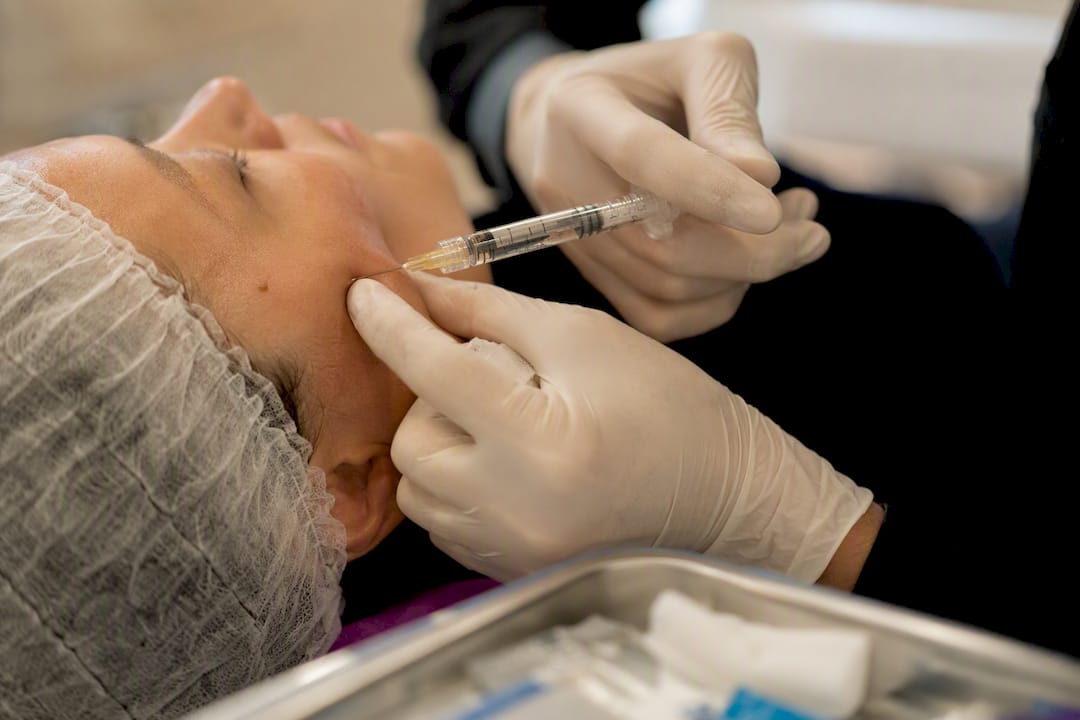
Each HA molecule can bind many times its weight in water, which is the mechanistic basis for the hydration effect boosters produce, distinct from the mechanical volume a filler provides.
Consider two patients side by side. One has mid-face volume loss and needs a structural filler placed supraperiosteally. The other has diffuse dullness with no volume deficit and needs a booster course instead. Treating the second patient with filler wastes product and risks an unnatural, overfilled look.
Pro Tip: If a patient describes their skin as “tired” rather than “sunken”, that word choice alone often points towards a booster consultation before you even examine the tissue.
How to choose between boosters, fillers, or both
Run through a short checklist before deciding:
- What is the primary complaint: texture and hydration, or visible volume loss?
- How thick or thin is the skin at the treatment site?
- Is there a genuine structural deficit, or is the flattening an illusion caused by poor skin quality?
- Are there timing constraints, such as an event requiring minimal visible downtime?
- Does the patient have contraindications, including pregnancy, breastfeeding, or active infection at the site?
Ask directly whether the patient wants their skin to “look healthier” or “look fuller.” That distinction alone often resolves which category fits. Where both concerns exist, sequencing usually works better than combining in a single session: correct structural volume first, then layer a booster course once swelling has settled. Copy this checklist into your consultation notes as a standard first step.
Procedure time, recovery and aftercare
Both treatments are quick outpatient procedures, typically 20 to 40 minutes including topical or injected anaesthesia where used. Expect transient papules with boosters and mild swelling or bruising with fillers, both settling within days rather than weeks.
A practical recovery timeline:
- 0 to 48 hours: Papules, redness, or bruising at injection points; apply topical cold and avoid touching the area unnecessarily.
- 3 to 7 days: Most visible swelling resolves; patients can resume normal skincare routines.
- 2 to 4 weeks: Final integration settles; booster hydration effects become more visible; filler review appointments are appropriate here.
Advise patients to avoid strenuous exercise and excessive heat for 24 to 48 hours and to return for review if swelling, asymmetry, or pain persists beyond the expected window.
Risks, contraindications and safety considerations
Common side effects with boosters include transient redness, swelling, bruising, and visible papules that typically resolve within days. Fillers carry a higher risk of palpable lumps and overcorrection if volume is misjudged.
Contraindications for either treatment include pregnancy, breastfeeding, active infection at the injection site, and certain autoimmune conditions. Always screen thoroughly and document contraindications before proceeding, and this applies equally across both treatment categories, not just the one perceived as higher risk.
The rare but serious concern is vascular occlusion with fillers, which requires immediate recognition: blanching, disproportionate pain, or livedo pattern skin changes demand immediate cessation and hyaluronidase for HA-based products, with escalation to emergency care if resolution doesn’t occur promptly.
- Confirm product licensing and batch traceability before every treatment.
- Verify prescriber status and only source from verified suppliers.
- Keep hyaluronidase and an occlusion protocol accessible in every clinic room.
- Document informed consent covering both common and rare risks explicitly.
Pro Tip: Keep a printed vascular occlusion protocol on the treatment room wall, not just in a folder. In an emergency, seconds spent searching for the right dilution or dosage matter.
Combining boosters and fillers for a layered result
Many patients benefit from both, used in sequence rather than the same session. Correct structural deficits with filler first, then introduce a booster course around four to six weeks later once initial swelling has resolved, addressing skin quality on top of the restored volume.
Alternatively, boosters can run as maintenance between filler sessions, keeping skin hydrated without disturbing the structural work underneath. Practical considerations include matching product choice to the treatment stage, spacing sessions to avoid overlapping inflammation, and setting patient expectations that a layered result takes longer to fully mature than either treatment alone.
Why rheology is the detail practitioners can’t skip
Academic reviews consistently separate skin boosters from structural fillers using cross-link density and fluidity as the defining variables, not marketing category. This matters more than brand familiarity when choosing a product for an unfamiliar anatomical zone.
Statistic callout: HA’s capacity to bind substantial volumes of water explains the hydration mechanism behind boosters, while many booster regimens are structured as a short course with maintenance around six months for sustained results.
Pro Tip: Request the rheology sheet from any new supplier before stocking a product. G-prime and cross-linking percentage tell you more about clinical behaviour than the product name ever will.
A practical clinician’s note
My own approach is to assess structural integrity before touching skin quality. Get the framework right first, then layer hydration on top, for licensed practitioners weighing up where to start with a new patient.
Sourcing boosters and fillers for your clinic
Alongside the clinical decision sits a practical one: where you source product from matters as much as which category you choose. Mirror Pharma supplies licensed practitioners with HA-based skin booster syringes and structural dermal filler formulations, alongside the consumables, including pre-injection swabs, that every session needs. Extended order cut-off times mean stock arrives in time for a fully booked clinic week rather than leaving you waiting on a delayed delivery mid-course. Every product ships to verified, qualified aesthetic professionals only, with compliance checks built into the ordering process. Browse the full product range and set up an account to start ordering ahead of your next patient list.
This article is general information, not a substitute for advice from a qualified doctor. Consult a qualified healthcare professional about your own circumstances before acting on anything here.
Sources
For deeper clinical detail, review the PMC classification of skin boosters for formulation definitions, the expert commentary on rheology for product differentiation, and Mirror Pharma’s supplier page for verified sourcing information relevant to UK practitioners.
- Skin boosters: Definitions and varied classifications – PMC
- Skin Boosters vs Dermal Fillers: Which treatment is right for you? | Dr Christine Or
- Skin Boosters vs Fillers — What’s the Difference and Which Do You Need | Dr. Nishita Ranka
FAQ
What are the disadvantages of skin boosters?
Boosters require a course of sessions rather than one visit, results build gradually rather than immediately, and they cannot correct genuine structural volume loss.
How long does a skin booster last?
Most regimens involve a short course followed by maintenance sessions, commonly spaced around six months apart, depending on the specific formulation and patient factors.
Why are people stopping fillers?
Some patients move away from fillers when overcorrection or an unnatural look becomes a concern, shifting preference towards treatments that improve skin quality rather than add volume; this is a reason boosters have gained popularity alongside fillers rather than instead of them.
Are skin boosters worth it for the face?
For patients with dull, dehydrated, or crepey skin without significant volume loss, boosters address a genuine clinical gap that fillers aren’t designed to fill, making them a legitimate standalone option or complement to structural work.
Can skin boosters and fillers be used together?
Yes, many practitioners sequence filler first to correct volume, then introduce boosters around four to six weeks later to improve overall skin quality once swelling has resolved.