
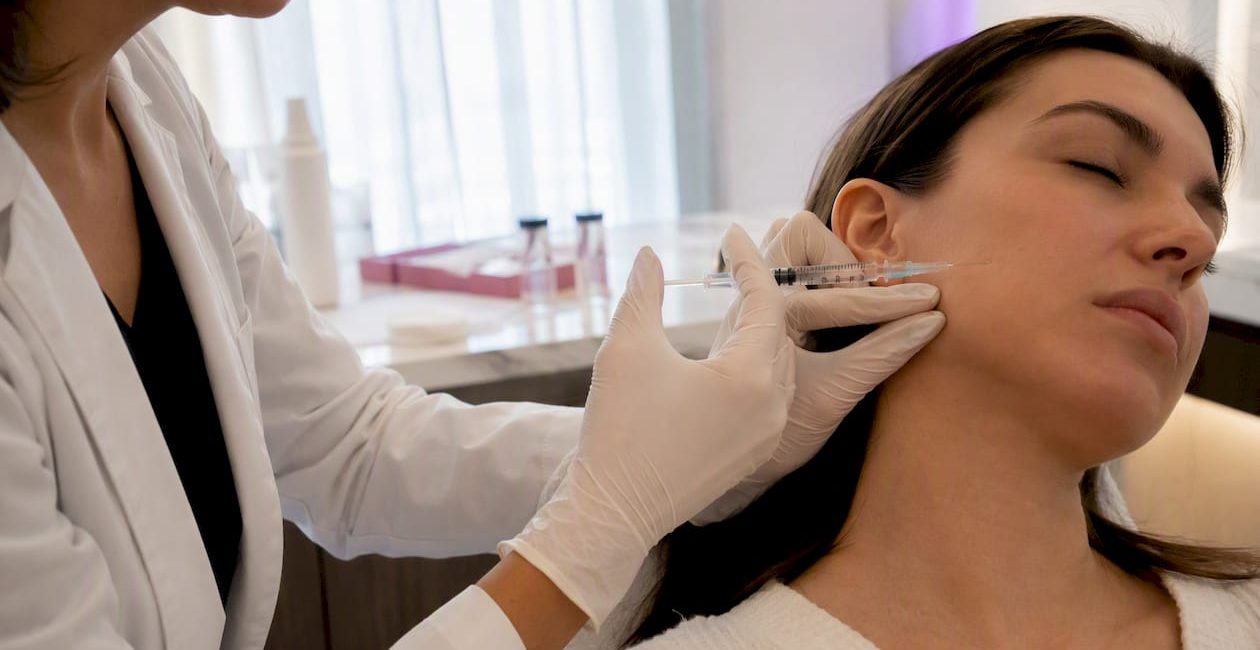
For most patients presenting with visible skin laxity and loss of firmness, Profhilo is the stronger first-line choice. For patients whose primary complaint is dehydration, dull texture, or delicate periorbital skin, Jalupro’s hyaluronic acid plus amino-acid formulation is usually the better match. The clinical distinction comes down to mechanism: Profhilo bio-remodels, and Jalupro bio-regenerates.
Quick verdict for licensed practitioners:
- Skin laxity and crepiness: Profhilo. Two induction sessions, typically spaced about a month apart, using the Bio Aesthetic Points (BAP) technique. Visible firmness improvements typically emerge several weeks after the second session, though the exact timing varies by individual.
- Dehydration, dull texture, under-eye concerns: Jalupro. Nappage or microinjection technique; better tolerated in the periorbital zone due to its lower HA concentration and amino-acid profile.
- Safety note: Both products require administration by a qualified, registered practitioner in the UK. Confirm prescriber status via the GMC register before treating or delegating.
For clinic workflow: conduct a structured skin assessment before selecting either product. Practitioners looking to source CE-marked skin boosters through a verified UK supplier should contact Mirror Pharma directly to confirm product availability and compliance documentation.
Key takeaways
Profhilo suits skin laxity via bio-remodelling; Jalupro suits dehydration and under-eye concerns via amino-acid bio-regeneration. Both require a qualified, GMC-registered practitioner in the UK.
| Point | Details |
|---|---|
| Profhilo for laxity | Two induction sessions, four weeks apart; peak firmness improvement appears progressively after the second session. |
| Jalupro for dehydration and under-eye | Three induction sessions; nappage technique; amino-acid complex supports collagen precursor supply alongside HA hydration, with session spacing varying by clinical protocol. |
| Sequencing for mixed presentations | Start with bio-remodelling, then reassess at the maintenance appointment before adding a bio-regenerative booster. |
| UK regulatory compliance | Verify prescriber status via the GMC register and confirm supplier compliance through Pharmacy Regulation before procuring any product. |
| Mirror Pharma supply | EJAL 40 and HYALUAL are available through Mirror Pharma for verified UK practitioners seeking CE-marked skin booster options. |
Table of Contents
- What are skin boosters, and how do they differ from fillers?
- Profhilo: composition, mechanism, and protocol
- Jalupro: composition, mechanism, and protocol
- Jalupro vs Profhilo: side-by-side comparison
- Which treatment suits which skin concern?
- Treatment process, timeline, and aftercare
- Safety, contraindications, and UK regulatory guidance
- Mirror Pharma supply options for UK practitioners
- The choice that actually matters in the consultation room
- Mirror Pharma: verified supply for UK aesthetic practitioners
- Sources
- FAQ
What are skin boosters, and how do they differ from fillers?
Skin boosters are intradermal injectables designed to improve tissue quality, hydration, and elasticity rather than add structural volume. That distinction matters clinically. A hyaluronic acid filler placed in the mid-face restores projection and contour; a skin booster placed intradermally improves the quality of the tissue itself.
Botulinum toxin works differently again: it modulates muscle activity to reduce dynamic lines. Skin boosters do not touch muscle. They work at the dermal level, stimulating fibroblast activity, attracting water, and in some formulations, supplying collagen precursors directly.
HA-based injectables can improve skin hydration and elasticity in short-term follow-up, though high-quality long-term randomised controlled trial data remain limited. That evidence base is worth communicating to patients at consent. UK practitioners sourcing these products should confirm supplier compliance through Pharmacy Regulation guidance before procurement.
Profhilo: composition, mechanism, and protocol
Profhilo is a thermally hybridised, ultra-pure hyaluronic acid product. It contains no chemical crosslinkers, which sets it apart from conventional dermal fillers and from most other HA skin boosters.
Key composition and clinical points:
- Contains both high-molecular-weight HA (H-HA) and low-molecular-weight HA (L-HA) in a single formulation, thermally stabilised rather than chemically crosslinked.
- H-HA provides structural support and stimulates collagen type I and III and elastin; L-HA penetrates more superficially and drives hydration.
- The absence of crosslinking means it spreads through tissue rather than sitting as a bolus, which is why the BAP technique uses only five injection points per side of the face.
- Clinical reports confirm that hybrid HA complexes stimulate collagen and elastin with visible firmness improvements after the two-session protocol, with peak benefit appearing progressively in the weeks following treatment completion.
Standard protocol for qualified practitioners:
- Two induction sessions, four weeks apart.
- Maintenance treatments are usually recommended approximately every six months, but individual response varies.
- Commonly treated areas: face (cheeks, jawline, perioral), neck, décolletage, and hands.
- Injection technique: BAP (five points per hemi-face), using a needle rather than cannula for precision placement.
The BAP technique requires specific training. Practitioners unfamiliar with it should complete a recognised course before treating patients with this product.
Jalupro: composition, mechanism, and protocol
Jalupro combines hyaluronic acid with a defined amino-acid complex: glycine, L-proline, L-leucine, and L-lysine. Those amino acids are not incidental additives. They are direct precursors to collagen synthesis, which gives Jalupro a different mechanism from a pure HA booster.
Key composition and clinical points:
- HA component provides immediate hydration and tissue plumping.
- Amino-acid complex (glycine, L-proline, L-leucine, L-lysine) supports fibroblast activity and collagen precursor availability, targeting bio-regeneration rather than bio-remodelling.
- Lower HA concentration than Profhilo, which makes it more suitable for delicate areas such as the periorbital zone and the neck.
- Patient-focused and practitioner resources note that HA plus amino-acid formulations are better suited to dehydration, under-eye texture, and early collagen support than high-concentration HA products alone.
Standard protocol for qualified practitioners:
- Induction: typically three sessions, two to four weeks apart, depending on the specific Jalupro formulation used.
- Technique: nappage (multiple superficial microinjections across the treatment area) or serial puncture, rather than the BAP point technique.
- Under-eye use: Jalupro’s lower concentration and amino-acid profile make it one of the more clinically appropriate options for periorbital skin; practitioners should use a fine needle and shallow intradermal placement.
- Commonly treated areas: under-eye, full face, neck, and décolletage.
Hyaluronic acid binds water and contributes to short-term hydration, but lasting structural improvement depends on stimulating new collagen and elastin rather than HA presence alone. Jalupro’s amino-acid component addresses that limitation directly, though practitioners should set realistic expectations at consultation.
Jalupro vs Profhilo: side-by-side comparison
| Feature | Profhilo | Jalupro |
|---|---|---|
| Main ingredients | H-HA + L-HA (thermally hybridised, no crosslinker) | HA + glycine, L-proline, L-leucine, L-lysine |
| Mechanism | Bio-remodelling: collagen/elastin stimulation via tissue spread | Bio-regeneration: collagen precursor supply + hydration |
| Best for | Skin laxity, crepiness, firmness loss | Dehydration, dull texture, under-eye, early collagen support |
| Typical protocol | 2 sessions, 4 weeks apart | Typically three sessions spaced two to four weeks apart |
| Onset and longevity | Progressive improvement; peak several weeks post-treatment; maintenance ~6 months | Hydration visible early; collagen support builds over weeks; maintenance varies |
| Downtime and side effects | Minimal; small papules at injection points, mild redness, occasional bruising | Minimal; similar transient papules, mild swelling, bruising possible |
| Areas treated | Face, neck, décolletage, hands | Face, under-eye, neck, décolletage |
| UK practitioner notes | BAP technique training required; prescriber verification via GMC register | Nappage/microinjection technique; under-eye requires advanced periorbital training |

Decision triggers for consultation: If a patient presents primarily with skin laxity and loss of firmness, Profhilo is the logical first-line choice. If dehydration and texture are the dominant concerns, or if the patient wants periorbital treatment, Jalupro is more appropriate. When both laxity and dehydration coexist, sequencing is common in practice.
Pro Tip: When a patient presents with mixed dehydration and laxity, consider starting with a bio-remodelling course first, then reassessing at the maintenance appointment. Adding a bio-regenerative booster at that stage, once baseline tissue quality has improved, often produces a more measurable outcome than running both simultaneously.
Which treatment suits which skin concern?
Skin laxity and loss of firmness: Profhilo is the reference product here. Its thermally hybridised HA spreads through tissue and drives collagen type I and III and elastin production. Patients with crepey skin on the neck or jowling in the lower face are the clearest candidates.
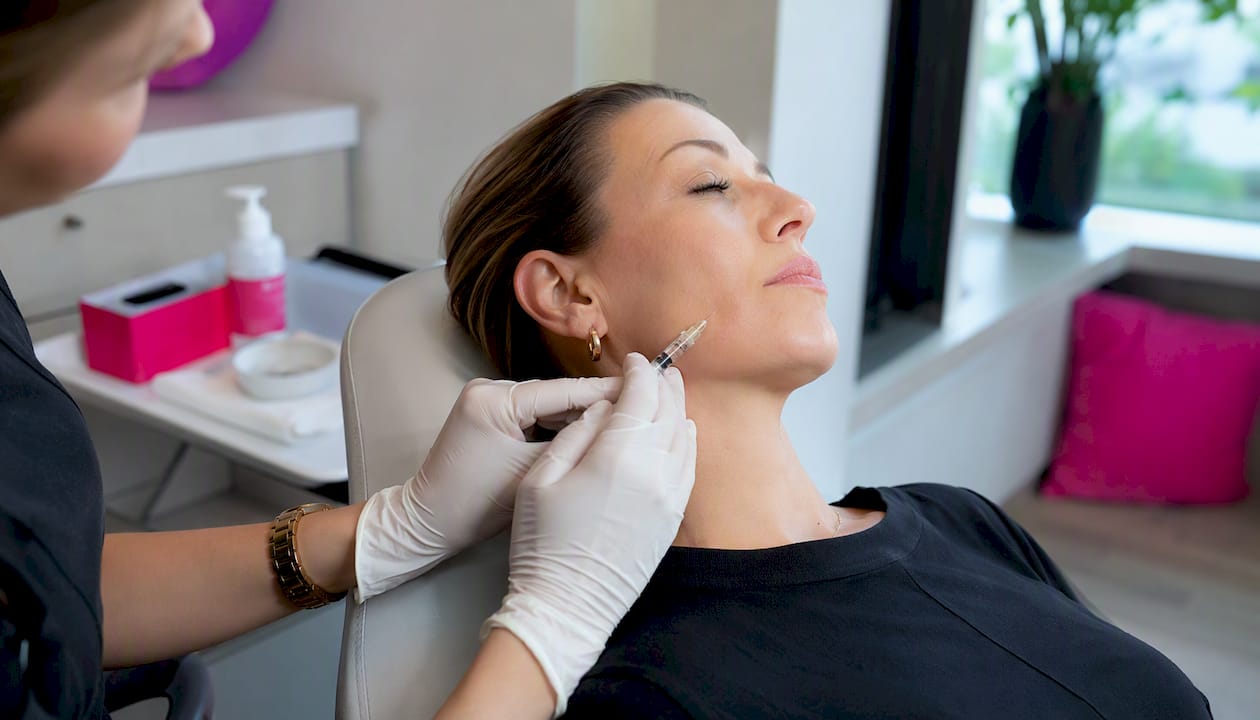
Dehydration and dull texture: Jalupro. The amino-acid complex supports fibroblast activity while the HA component delivers immediate hydration. Patients who describe their skin as “tired-looking” or “flat” rather than sagging tend to respond well.
Fine lines without significant laxity: Either product can address superficial fine lines, but Jalupro’s nappage technique allows more targeted superficial placement. Profhilo’s tissue spread is less precise for isolated fine-line treatment.
Under-eye concerns: Jalupro is the more appropriate choice for periorbital skin. Its lower HA concentration reduces the risk of the Tyndall effect and visible papule formation in this thin-skinned area. Profhilo’s BAP technique is not designed for the periorbital zone.
Scarring and pigmentation: Neither product is a primary treatment for acne scarring or pigmentation. Jalupro’s collagen-precursor mechanism may offer some adjunctive benefit for superficial atrophic scarring, but practitioners should set clear expectations and consider combination protocols.
Hands, neck, and décolletage: Both products are used in these areas. Profhilo is particularly well-regarded for hand rejuvenation given its tissue-spread mechanism. Jalupro suits the neck and décolletage where delicate skin benefits from the lower-concentration formulation.
When a patient’s presentation is ambiguous, standardised photography or 3D imaging at baseline gives a more objective measure of tissue quality change across a treatment course.
Treatment process, timeline, and aftercare
Numbered session timeline for a typical course (for qualified practitioners):
- Pre-treatment assessment: Confirm contraindications, obtain written consent, photograph baseline. Verify prescriber status and product provenance.
- Session 1 (induction): Administer Profhilo via BAP technique or Jalupro via nappage, depending on product selected. Apply topical anaesthetic 20–30 minutes prior if required.
- Session 2 (Profhilo) or Session 2 of 3 (Jalupro): Four weeks after session 1. Review patient response, document any adverse events.
- Session 3 (Jalupro only): Two to four weeks after session 2. Final induction visit before maintenance phase.
- Maintenance review: Approximately six months post-induction for Profhilo; timing for Jalupro varies by patient response. Reassess tissue quality and patient goals.
Aftercare for patients (both products, unless noted):
- Avoid touching or massaging the treated area for at least six hours post-injection.
- No heavy exercise, saunas, or steam rooms for 24–48 hours.
- Apply SPF 30 or above daily from the day after treatment.
- Avoid alcohol for 24 hours to reduce bruising risk.
- Use a gentle, non-active moisturiser for the first 48 hours; hold retinoids and exfoliating acids for 72 hours.
- Profhilo-specific: Small papules at BAP injection points are expected and typically resolve within 24 hours. Do not massage them.
- Jalupro-specific: Superficial papules from nappage technique are smaller but more numerous; they generally resolve within a few hours.
Pain management: Topical anaesthetic cream applied 20–30 minutes before treatment is sufficient for most patients. Ice packs immediately post-injection reduce immediate swelling and patient discomfort.
Pro Tip: If papules at Profhilo injection points persist beyond 48 hours, or if a patient reports increasing pain, erythema, or induration after 72 hours, arrange urgent review. Persistent nodules may indicate a delayed inflammatory reaction. Having hyaluronidase available in clinic is standard practice for any HA injectable procedure.
Safety, contraindications, and UK regulatory guidance
Contraindications (both products):
- Pregnancy and breastfeeding.
- Active skin infection, inflammation, or open wounds at the treatment site.
- Known hypersensitivity to hyaluronic acid or any formulation component.
- Certain autoimmune conditions affecting connective tissue (assess case by case).
- Recent isotretinoin use: most guidelines recommend a minimum six-month interval after completing a course before performing injectable treatments.
- Active cold sores or herpes simplex at or near the treatment site.
UK regulatory checklist for practitioners:
- Confirm prescriber registration via the GMC register before performing or delegating any injectable procedure.
- Verify that the product has appropriate CE marking or UKCA marking and is sourced from a registered supplier.
- Confirm supplier compliance through Pharmacy Regulation guidance; do not procure from unregistered sources.
- Maintain a full patient record including consent, photographs, batch numbers, and expiry dates.
- Ensure a written emergency protocol is in place, including access to hyaluronidase for HA-related complications.
Practitioner qualifications:
- BAP technique for Profhilo requires specific training beyond general injectable competency.
- Periorbital treatment with Jalupro requires advanced anatomy knowledge and periorbital injection training.
- All practitioners should hold current indemnity insurance covering the specific procedures performed.
- Consent must be written, procedure-specific, and obtained at a separate consultation, not immediately before treatment.
Mirror Pharma supply options for UK practitioners
This section is for licensed aesthetic practitioners and qualified healthcare professionals only.
UK practitioners evaluating Profhilo alternatives or adjunctive skin-quality products will find two relevant options in the Mirror Pharma range:
- EJAL 40 Biorevitalising Gel: A biorevitalising gel formulation suitable for practitioners seeking an HA-based skin booster with a biorevitalisation mechanism. Appropriate for face, neck, and décolletage protocols.
- HYALUAL Radiance Renewal Peel: An HA-adjunct peel option for practitioners incorporating skin-quality improvement into combined treatment protocols or post-treatment maintenance.
To purchase, practitioners must complete Mirror Pharma’s verification process confirming registration and prescriber status. All products are supplied in compliance with UK pharmacy regulation requirements. Contact Mirror Pharma directly via the website to confirm current product availability and documentation requirements before placing an order.
The choice that actually matters in the consultation room
The Jalupro vs Profhilo question gets framed as a product contest in most clinic marketing. It is not. It is a patient-selection question, and the answer is almost always obvious once you have done a proper skin assessment.
The conventional advice tends to default to Profhilo as the premium option and Jalupro as the budget alternative. That framing is wrong in both directions. Profhilo is not superior; it is specific. It does one thing exceptionally well: bio-remodelling in patients with genuine laxity. Using it on a 28-year-old with dehydrated, dull skin and no laxity is not a premium choice. It is the wrong product for the presentation.
What gets underestimated is how much the amino-acid component in Jalupro changes the clinical picture. Practitioners who have used both products know that patients with periorbital dehydration, early texture changes, or post-isotretinoin skin often respond better to the bio-regenerative mechanism than to a high-concentration HA spread. The collagen-precursor supply is doing work that HA alone cannot.
The sequencing insight is also underused. When a patient has both laxity and dehydration, the instinct is to pick one product. The better approach is to treat laxity first with a bio-remodelling course, let the tissue quality improve, then assess whether the dehydration component still needs addressing. Most of the time, it does, and that second-stage treatment produces a more measurable outcome than trying to solve both problems simultaneously with a single product.
Mirror Pharma: verified supply for UK aesthetic practitioners
UK practitioners who want reliable access to CE-marked skin boosters and adjunctive aesthetic products without the sourcing uncertainty that comes with unverified suppliers will find Mirror Pharma a practical fit. The Mirror Pharma online shop carries a range of professional aesthetic products including biorevitalising gels, HA-based skin boosters, and adjunctive skin-quality treatments, all supplied through a verified, pharmacy-regulation-compliant process.
The verification step is straightforward: practitioners confirm registration and prescriber status before purchasing, which keeps the supply chain clean and your clinic documentation complete. Extended order cut-off times mean stock arrives when your clinic needs it, not on a courier’s schedule.
Visit Mirror Pharma to review current product availability, submit your practitioner verification, and place your first order.
This article is general information, not a substitute for advice from a qualified doctor. Consult a qualified healthcare professional about your own circumstances before acting on anything here.
Sources
The following sources informed this comparison. Practitioners are encouraged to review primary literature before incorporating new products into clinical practice.
- PMC10938033
- The hype on hyaluronic acid (Harvard Health Blog)
- PMC8824545
- GMC — registration and licensing / our registers
- Pharmacy Regulation
FAQ
Is anything better than Profhilo for skin laxity?
Profhilo remains one of the most clinically referenced bio-remodelling products for skin laxity in UK practice, but no single product is universally superior. For dehydration and periorbital concerns, HA plus amino-acid formulations such as Jalupro often produce better patient outcomes.
How quickly does Jalupro work?
Hydration effects from Jalupro are typically visible within one to two weeks of the first session. The collagen-support mechanism builds progressively over the induction course, with fuller results apparent several weeks after completing the final session.
What is the strongest skin booster available?
“Strongest” depends on the clinical goal. For bio-remodelling and firmness, high-concentration hybrid HA products are the reference standard. For bio-regeneration and collagen precursor support, HA plus amino-acid formulations deliver a different and often complementary mechanism.
Is Jalupro worth it for under-eye treatment?
For qualified practitioners treating periorbital dehydration and fine texture, Jalupro is one of the more appropriate skin booster options. Its lower HA concentration and amino-acid profile reduce the risk of visible papule formation in this thin-skinned area compared with higher-concentration HA products.