
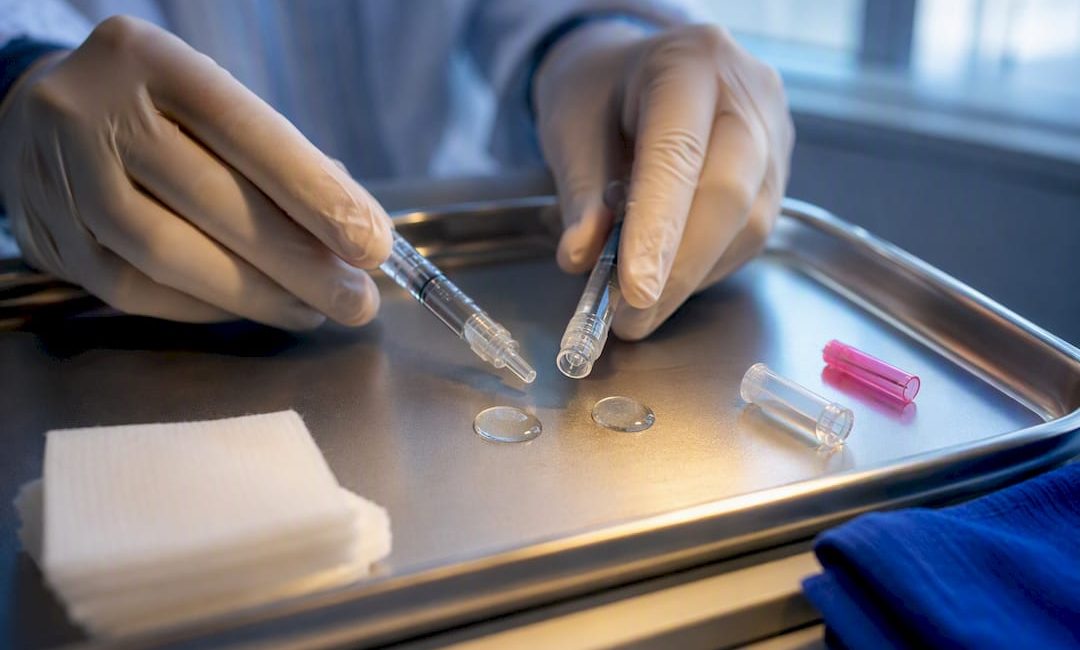
Choose a hyaluronic acid filler for soft, reversible correction of fine lines and lips; choose a calcium hydroxylapatite biostimulator for structural support and longer-lasting collagen stimulation in deeper folds. The key trade-off for licensed practitioners is reversibility: hyaluronic acid can be dissolved with hyaluronidase if the result needs adjusting, while calcium-based biostimulators cannot be reversed enzymatically, so conservative dosing matters more.
TL;DR:
- Reversible hyaluronic acid fillers are ideal for superficial, mobile areas like lips and tear troughs, especially when precise adjustment is necessary.
- Calcium hydroxylapatite biostimulators are better suited for deeper structural support, such as the jawline and midface, where longer-lasting collagen stimulation is desired.
- The absence of enzymatic reversal in CaHA requires conservative dosing and precise placement to prevent complications that cannot be easily corrected.
- CaHA results typically last between 12 and 24 months, while HA fillers generally last several months to over a year, depending on the area treated.
- Effective treatment planning depends on matching product viscoelastic properties to anatomy, with reversibility often guiding the choice over brand loyalty.
Table of Contents
- Hyaluronic acid or calcium hydroxylapatite: a quick comparison
- How do HA fillers and CaHA biostimulators actually work?
- Which treatment areas suit each filler type?
- How long do results last and can they be reversed?
- What are the side effects and how are they managed?
- What should patients expect during treatment and recovery?
- Where should practitioners source these products?
- Why anatomy should always beat brand preference
- Order dermal fillers and aesthetic supplies for your clinic
- Sources
- FAQ
Hyaluronic acid or calcium hydroxylapatite: a quick comparison
The two categories work on fundamentally different principles, and that difference should drive the decision more than brand loyalty ever should.
Hyaluronic acid (HA) fillers behave as humectants. They pull water into the tissue and hold it there, giving immediate, soft volume that mimics natural skin hydration. Calcium hydroxylapatite (CaHA) products work as biostimulators: microspheres suspended in a carrier gel that give instant lift while gradually encouraging the body to lay down its own collagen around the particles, as Park et al. describe in their review of filler mechanisms.
For qualified aesthetic professionals weighing the two:
- Choose HA for lips, tear troughs, superficial lines, and any zone where reversibility or precise fine-tuning matters.
- Choose CaHA for deep nasolabial folds, midface structural loss, jawline definition, and hand volumising where a biostimulatory lift is the goal.
- Reversibility favours HA outright; CaHA has no enzymatic reversal option, so placement has to be right the first time.
- Longevity tends to favour CaHA for structural indications, though results vary by product, injection plane, and patient metabolism.
There is no single “better” filler here. The right choice depends on matching viscoelastic properties to the anatomy and the treatment goal, not on which product a clinic happens to stock.
How do HA fillers and CaHA biostimulators actually work?
Hyaluronic acid is a naturally occurring polysaccharide already present in skin, and cross-linked HA gels can retain up to 1,000 times their weight in water, which is what gives them that soft, hydrated feel immediately after injection.
Calcium hydroxylapatite works differently. It is suspended as microspheres in a carboxymethylcellulose gel carrier, providing instant volume while the gel disperses and the body’s fibroblasts colonise the scaffold left behind, producing new collagen over subsequent months.
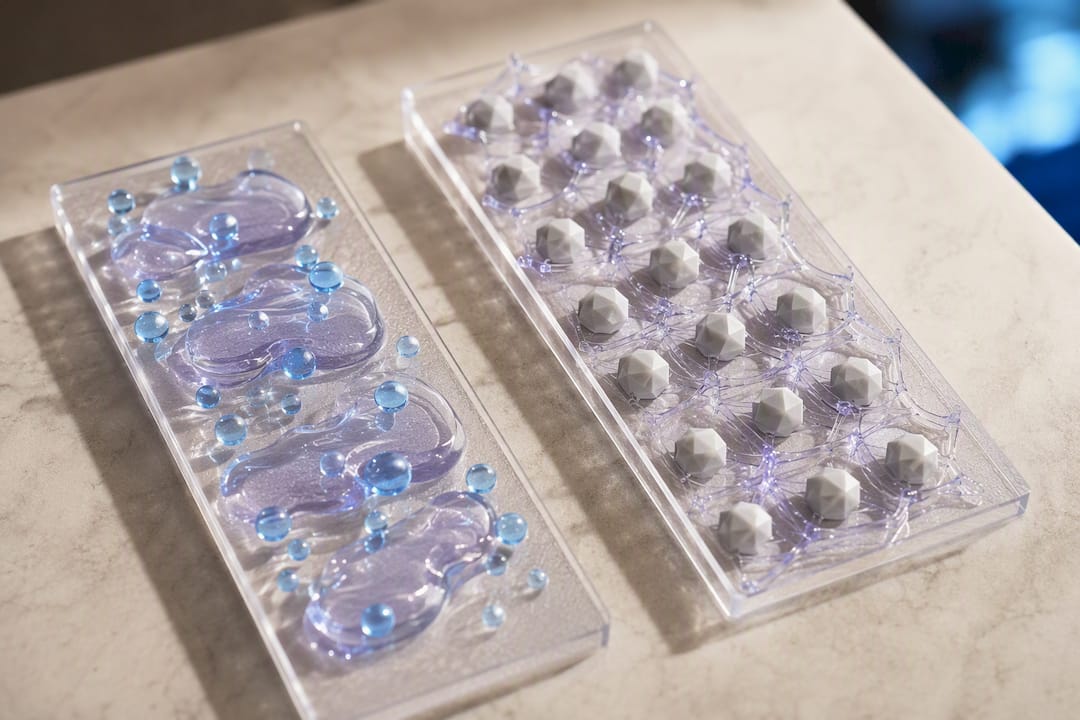
Rheology matters clinically. Injectors should think in terms of elastic modulus (G’), cohesivity, and viscosity, all of which determine how a product spreads, lifts, and resists deformation once injected. Lidocaine content also changes handling: it improves patient comfort but can alter extrusion force through the needle, a factor confirmed across a benchmarking study of 28 HA fillers. Product familiarity, not just formulation on paper, dictates how predictable an outcome will be.
Which treatment areas suit each filler type?
Anatomy should decide the product, not the other way round. Superficial, mobile areas need soft, low-viscosity HA gels; deep structural deficits need something with more lift and longevity.
Best suited to HA:
- Lips and perioral lines, where softness and reversibility are non-negotiable
- Tear troughs, using low-hydrophilicity formulations to reduce swelling risk in thin-skinned zones
- Fine superficial lines and etched creases
Best suited to CaHA:
- Deep nasolabial folds and marionette lines
- Midface volume loss and jawline contouring
- Hand volumising, where biostimulation helps restore lost subcutaneous structure
Practitioners have reported rising demand for biostimulatory treatments among patients recovering facial volume after rapid weight loss, where rebuilding structural support matters more than surface hydration, as noted in reports on post-weight-loss facial change. Thin-skinned areas call for caution with either product category, since overfilling or superficial placement raises the risk of visible lumping or a bluish Tyndall effect with HA. Many experienced injectors combine both approaches: CaHA for the structural base, HA for surface refinement.
How long do results last and can they be reversed?
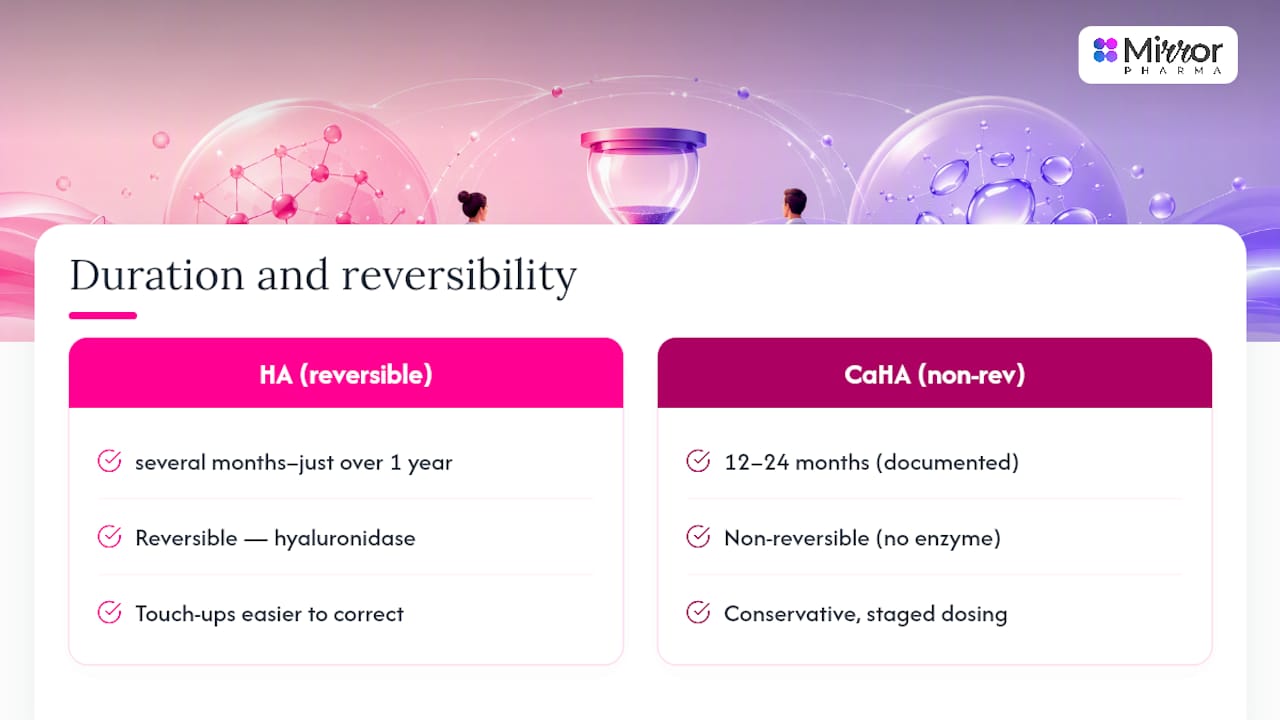
Duration varies by product, injection depth, and individual metabolism, so any figure is a range rather than a promise. HA fillers used for lips or fine lines commonly last several months to just over a year; CaHA used for structural indications has documented results reported at 12 to 24 months in clinical literature.
Reversibility is where the two categories genuinely diverge. HA fillers respond to hyaluronidase, giving practitioners a safety net if a result sits wrong, migrates, or causes vascular compromise. CaHA has no enzymatic antidote, a distinction confirmed in clinical reviews of filler complications. That absence of a reversal agent is the single strongest argument for conservative dosing and staged treatment when using biostimulators, and it should shape retreatment planning: touch-ups are easier to judge and correct with HA than with CaHA, where undercorrection is safer than overcorrection.
What are the side effects and how are they managed?
Both categories share a similar early-reaction profile: bruising, mild swelling, and tenderness in the first 48 to 72 hours, usually settling without intervention. Delayed-onset nodules and inflammation can occur weeks or months later, sometimes triggered by systemic events such as infection, vaccination, or dental work, a pattern documented in CaHA-specific clinical review.
CaHA carries an added consideration: because it cannot be dissolved, nodules and lumps require mechanical or surgical management rather than an enzymatic quick fix, which raises the stakes on correct depth and quantity from the outset.
Vascular occlusion is the rare but serious complication that both categories share, and recognising early signs (unexpected blanching, disproportionate pain, mottled discolouration) matters far more than the product used. Experienced injectors keep hyaluronidase on hand for HA cases and lean on conservative volumes, slow injection technique, and aspiration where appropriate to reduce risk across both filler types.
What should patients expect during treatment and recovery?
Lidocaine included in most modern formulations reduces discomfort during injection, though it can slightly alter how easily a product moves through the needle, a factor practitioners weigh when choosing gauge and technique. Appointments for either filler type typically run 20 to 45 minutes depending on the number of zones treated.
Immediate aftercare advice is broadly similar: avoid strenuous exercise and excessive heat for 24 to 48 hours, expect some swelling, and hold off on makeup over injection sites on the day of treatment. Clinician familiarity with a specific product materially reduces procedural friction, since injectability differs meaningfully between HA gels depending on cross-linking and concentration. Patients should be counselled that visible swelling can persist longer with CaHA than with lighter HA formulations.
Where should practitioners source these products?
Consistent outcomes depend on consistent supply. Mirror Pharma supplies a range of hyaluronic acid fillers alongside other prescription aesthetic products to licensed clinics across the UK, with strategically extended order cut-off times designed to keep clinic diaries running without last-minute supply gaps.
Reliable sourcing is not a peripheral concern in this comparison. Batch consistency and correct storage directly affect rheology and, in turn, clinical predictability. Clinicians comparing options such as the HyaCorp FACE dermal filler or Belotero Volume with lidocaine benefit from a supplier that treats verification and compliance as standard, not optional, for every order placed by qualified practitioners.
Why anatomy should always beat brand preference
Too many injectors pick a product because it’s what they trained on first, not because it fits the tissue in front of them. That’s backwards. The viscoelastic properties of a filler, not its marketing, determine whether a tear trough looks natural or lumpy six weeks later.
My honest read: the reversibility gap between HA and CaHA is underappreciated in training. It should be the first question asked before syringe selection, not an afterthought. When in doubt, favour the reversible option and stage treatment conservatively.
— Rizwan
Order dermal fillers and aesthetic supplies for your clinic
There are other routes to sourcing aesthetic stock, from wholesale distributors to manufacturer direct accounts, but most involve rigid minimum orders or slow dispatch windows that don’t match a busy clinic’s booking rhythm. Mirror Pharma supplies prescription-only aesthetic products, including hyaluronic acid fillers, biostimulators, and anti-wrinkle treatments, directly to licensed clinics and qualified aesthetic professionals, with every order subject to compliance and prescriber verification.
The practical difference is timing: extended order cut-off times mean practitioners can place late orders and still receive stock in time for the next day’s client list, rather than rearranging appointments around a supplier’s schedule. Browse the full range, including HA options like Belotero Intense with lidocaine, on the Mirror Pharma site, or register an account to start ordering for your clinic.
This article is general information, not a substitute for advice from a qualified doctor. Consult a qualified healthcare professional about your own circumstances before acting on anything here.
Sources
- Park et al., review on dermal fillers (PMC2778417)
- Injectability benchmarking of HA dermal fillers (PubMed 38391431)
- Reports on post-weight-loss facial changes and biostimulatory treatment demand (PubMed 42210888)
FAQ
What are the downsides of a calcium hydroxylapatite biostimulator?
The main downside is the lack of enzymatic reversibility. If placement is too superficial or the volume is wrong, correction relies on time, massage, or mechanical removal rather than a quick dissolving agent.
Is a biostimulator or a hyaluronic acid filler the better choice?
Neither is universally better. HA suits soft, reversible correction in mobile areas like lips, while a calcium-based biostimulator suits deeper structural support where longer-lasting collagen stimulation is the goal.
Does a calcium hydroxylapatite biostimulator lift jowls effectively?
It can provide structural support along the jawline and lower face by combining immediate volume with biostimulated collagen, though results depend heavily on injection depth, technique, and individual anatomy rather than any guaranteed lift.
Why does a calcium-based biostimulator often cost more than standard HA fillers?
Pricing reflects formulation complexity and the biostimulatory mechanism itself, though specific product pricing should always be confirmed directly through a verified professional supplier rather than general guides.
Can hyaluronic acid fillers be reversed if the result isn’t right?
Yes. Hyaluronidase can dissolve hyaluronic acid fillers, giving practitioners a safety net that calcium hydroxylapatite biostimulators do not offer.